You Won’t Believe These Secret Natural Escapes in Seoul
When you think of Seoul, skyscrapers and K-pop probably come to mind—but I was blown away by how much untouched nature hides between the city’s pulse. From misty mountain trails just 30 minutes from downtown to quiet riverside paths where locals jog and fish, Seoul’s green side is real and refreshing. This isn’t some tourist trap—it’s the city locals actually love. Let me take you through the lush, peaceful spots that made me see Seoul in a whole new light. These are not distant getaways requiring overnight trips or complicated travel plans. They are accessible, serene, and seamlessly woven into the rhythm of everyday life in one of Asia’s most dynamic capitals. Seoul’s natural escapes offer a rare balance: the convenience of urban living paired with the calm of forest immersion, all within a short subway ride or bus transfer.
Reimagining Seoul: More Than Just a Concrete Jungle
Seoul is often portrayed as a relentless metropolis—a sprawling network of neon signs, high-speed subways, and endless streams of people moving through towering glass buildings. Yet beneath this energetic surface lies a city deeply rooted in nature. Over 60% of South Korea’s total land area is covered by mountains, and Seoul, nestled in a basin surrounded by forested ridges, reflects this geography. Far from being an afterthought, nature is integrated into the city’s identity. The four guardian mountains—Bugaksan, Namsan, Inwangsan, and Naksan—frame the historic center, once serving as spiritual and defensive boundaries for the Joseon Dynasty. Today, they remain vital green lungs for millions of residents.
What makes Seoul unique is not just the presence of nature, but how it coexists with urban life. Unlike cities where parks are isolated oases, Seoul’s green spaces are connected by walking trails, public transit, and cultural practices that encourage outdoor engagement. You’ll find elderly couples strolling through wooded paths at dawn, office workers eating lunch under ginkgo trees, and families biking along riverside promenades on weekends. The city government has invested heavily in preserving these spaces, with initiatives like the Seoul Greenbelt Project and the restoration of Cheonggyecheon Stream, which transformed a covered highway back into a flowing urban creek.
This integration is not accidental. Korean culture has long emphasized harmony between humans and the natural world. Traditional architecture, garden design, and even daily routines reflect a deep respect for seasonal changes and natural balance. In Seoul, this philosophy translates into accessible hiking trails, forest therapy programs, and public spaces designed for quiet reflection. The result is a city that offers more than shopping and nightlife—it offers renewal. For travelers, especially women aged 30 to 55 who may be seeking meaningful, restorative experiences, Seoul’s natural side provides a powerful contrast to the usual tourist itinerary.
Why Natural Escapes Matter in a Hyper-Connected City
In a world where constant connectivity can lead to mental fatigue, green spaces serve as essential sanctuaries. Seoul, with a population density exceeding 16,000 people per square kilometer, faces significant urban stress. Long work hours, crowded commutes, and air quality concerns contribute to rising levels of anxiety and burnout. Recognizing this, the city has prioritized access to nature as a public health strategy. Studies conducted by Seoul Metropolitan Government show that residents who spend time in green areas report lower stress levels, improved sleep quality, and greater overall life satisfaction.
Air quality, while improving, remains a concern, especially during spring dust storms from China. The city’s network of parks and forested hills helps filter pollutants and cool urban temperatures. For example, Bukhansan National Park alone absorbs an estimated 13,000 tons of carbon dioxide annually. Beyond environmental benefits, these spaces support physical activity. Over 80% of Seoul residents report engaging in outdoor exercise at least once a week, with walking and hiking topping the list. The government promotes this through programs like the Seoul Forest Healing Center, which offers guided forest bathing sessions based on scientific research into nature’s calming effects on the nervous system.
For visitors, especially those traveling with family or seeking personal rejuvenation, integrating nature into their itinerary is not a luxury—it’s a necessity. A morning hike can reset your energy for the day, while an evening riverside walk offers a peaceful way to reflect. These moments of stillness are not distractions from the city experience; they are central to understanding its soul. Seoul’s natural escapes provide a rare opportunity to slow down, breathe deeply, and reconnect—not just with the environment, but with oneself. In a city that moves fast, these green spaces offer permission to pause.
Bukhansan National Park: A Mountain Retreat Minutes from Downtown
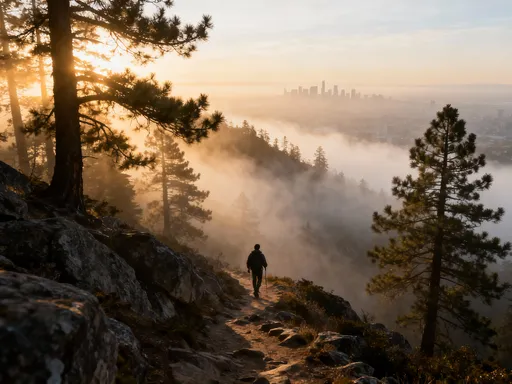
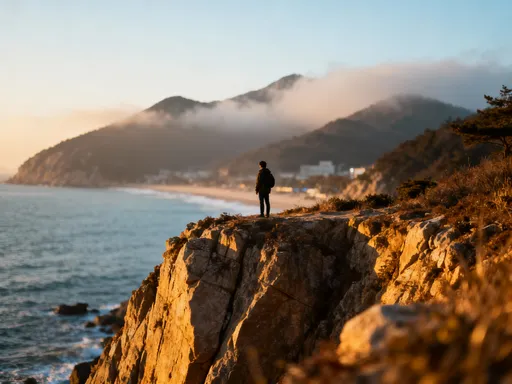
If there’s one place that captures Seoul’s duality of urban energy and natural serenity, it’s Bukhansan National Park. Located just 30 minutes from central districts like Gangnam and Jongno, this 79-square-kilometer park is one of the most visited national parks in the world. Despite its proximity to the city, it feels worlds away. Trails wind through granite peaks, pine forests, and historic temple sites, offering panoramic views of Seoul’s skyline against a backdrop of rolling mountains. The most popular summit, Baegundae Peak at 836 meters, rewards hikers with a sweeping vista that stretches across the Han River and beyond.
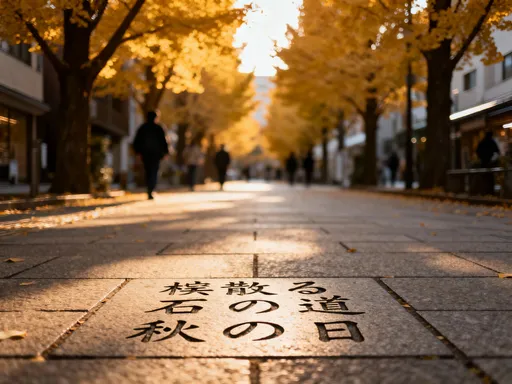
Starting from Gupabal Station on Line 3, the trailhead is clearly marked and well-maintained. As you ascend, the sounds of the city fade, replaced by birdsong and the rustle of leaves. In spring, cherry and azalea blossoms paint the slopes in soft pinks and reds. By autumn, the hills ignite with golden ginkgo and crimson maple. Even in winter, when frost coats the rocks and the air is crisp, hikers bundle up for the invigorating climb. The park is open year-round, and visitors of all ages and fitness levels can find a suitable path—whether it’s the gentle Dulle-gil trail or the more challenging northern ridge route.
For a peaceful experience, arrive early in the morning on a weekday. Weekends draw large crowds, especially during peak seasons. Wear sturdy shoes with good grip, as some sections involve climbing over wet or mossy rocks. Bring water, a light snack, and a windbreaker—temperatures drop noticeably at higher elevations. While restrooms and water stations are available at key points, it’s wise to be prepared. Most importantly, follow the park’s environmental guidelines: stay on marked trails, carry out all trash, and avoid feeding wildlife. Bukhansan is a shared space, and preserving its beauty ensures future generations can enjoy it too.
The Hidden Valley: Seoraksan’s Lesser-Known Sibling in Seoul’s Backyard
While Seoraksan in the east is famous for its dramatic peaks and UNESCO recognition, Seoul has its own quieter mountain gems that offer similar beauty without the crowds. Gwanaksan Mountain, located in the southern part of the city, is one such retreat. Its Cheonggyesan trail winds through a dense forest of oak and maple, where morning fog clings to the treetops and the only sounds are the distant call of a magpie or the trickle of a hidden stream. Unlike more commercialized parks, this area feels untouched—a true escape for those seeking solitude and reflection.
The trail begins near Seoul National University and gradually climbs through shaded paths lined with moss-covered stones and ferns. Halfway up, a small pavilion offers a resting spot with a view of the city below, partially obscured by layers of green. In the fall, the forest becomes a tapestry of red, orange, and gold, drawing photographers and nature lovers. In spring, wildflowers bloom along the edges, and the air carries the sweet scent of blooming forsythia. The summit is not as high as Baegundae, but the sense of peace is deeper—fewer people, no loudspeakers, just the quiet rhythm of nature.
Another hidden gem is Inwangsan’s western ridge trail, which follows an ancient fortress wall through a rocky landscape. This route is less frequented than the main path and offers a more adventurous feel, with narrow ledges and stone steps carved into the hillside. It’s ideal for those who enjoy a bit of challenge and history combined. Both Gwanaksan and Inwangsan are easily accessible by subway and local bus, making them perfect for a half-day outing. They represent the kind of authentic experience that locals cherish—places where you can hike without feeling like part of a tourist procession.
Riverside Revival: Exploring the Han River Parks
The Han River, which cuts through the heart of Seoul, has undergone one of the most remarkable urban transformations in modern history. Once an industrial corridor lined with factories and concrete embankments, it is now a vibrant recreational corridor stretching over 12 kilometers through the city. Ten major parks line its banks, each with its own character and amenities. From morning tai chi sessions to late-night bike rides, the riverfront is where Seoulites come to unwind.
Yeouido Hangang Park, located on a large island in the river, is one of the most popular. It features wide walking and cycling paths, grassy lawns for picnics, and rental stations for bikes and inline skates. In spring, the cherry blossoms along the riverbank create a dreamlike canopy, drawing families and photographers. The park also hosts seasonal festivals, including the Yeouido Spring Flower Festival and the Han River Summer Festival, with outdoor concerts and food trucks. For a quieter experience, visit Jamsil or Ttukseom Hangang Park, where riverside cafes and kayak rentals add a touch of leisure.
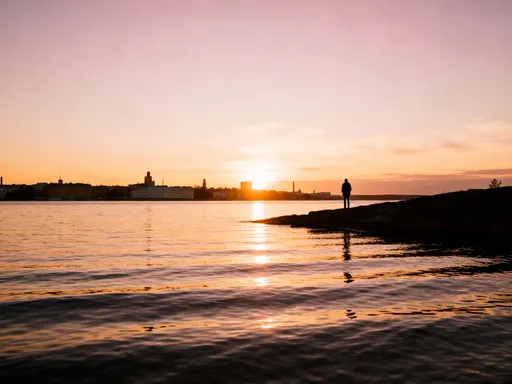
What makes the Han River parks special is their accessibility and inclusivity. They are free to enter, well-lit at night, and equipped with restrooms, showers, and convenience stores. Many locals bring foldable chairs and small tables to grill food by the water—a practice known as “piknik” in Korean. While grilling is allowed in designated zones, visitors are expected to clean up afterward, reflecting a strong cultural norm of respect for public spaces. For travelers, a riverside picnic offers a chance to observe daily life and enjoy a relaxed meal with a view. Renting a bike and riding from one park to another is another excellent way to experience the city’s rhythm.
Temple Trails and Forest Healing: A Mindful Escape in the City
In a fast-paced city, finding stillness can be a radical act. Seoul offers unique opportunities for mindful retreats through temple stays and forest healing programs. While full temple stays typically require advance booking and a multi-day commitment, shorter visits to urban temples like Bongeunsa in Gangnam provide a taste of this tradition. Nestled between skyscrapers, Bongeunsa has served as a spiritual center for over 1,200 years. Its quiet courtyards, incense-scented halls, and morning chanting ceremonies offer a profound contrast to the bustling business district just steps away.
For a deeper experience, the Seoul Metropolitan Government supports forest healing centers in areas like Gwanaksan and Bukhansan. These programs, based on the Japanese practice of *shinrin-yoku* (forest bathing), guide participants through slow, sensory-rich walks designed to reduce stress and improve well-being. Trained forest therapists lead sessions that include mindful breathing, guided meditation, and nature observation. Research from Korea’s National Institute of Forest Science shows that just two hours in a forest environment can lower cortisol levels, reduce blood pressure, and boost immune function.
These programs are especially appealing to women seeking balance in their lives. Whether you’re a mother managing a busy household, a professional navigating career demands, or a traveler adjusting to a new time zone, a forest healing session offers a gentle reset. No special skills are required—just an open mind and comfortable clothing. Some centers offer tea ceremonies or calligraphy workshops as part of the experience, blending nature with cultural enrichment. These mindful escapes are not about escaping life, but about returning to it with greater clarity and calm.
How to Plan Your Own Nature-Focused Seoul Itinerary
Creating a balanced itinerary that includes both urban exploration and natural rejuvenation is easier than you might think. Start with a sample three-day plan: Day One could focus on central Seoul—Gyeongbokgung Palace, Insadong, and a visit to Bongeunsa Temple. End the day with a peaceful walk along Cheonggyecheon Stream. On Day Two, dedicate time to Bukhansan National Park. Take the subway to Gupabal Station, hike to Baegundae Peak, and return in the late afternoon. Enjoy a relaxed dinner in nearby Bukchon Hanok Village.
Day Three can be spent along the Han River. Rent a bike at Yeouido Park and ride east toward Nodeul Island, stopping for coffee at a riverside cafe. Pack a picnic or try Korean street food from a nearby market. If time allows, visit the Seoul Forest in Seongdong District—a 1.3-million-square-meter park with deer enclosures, wetlands, and walking trails. For transportation, a T-money card is essential. It works on subways, buses, and even bike rentals. Download apps like Naver Maps or KakaoMap for real-time navigation—Google Maps is less reliable in Korea.
The best times to visit are spring (April to early June) and autumn (September to November), when temperatures are mild and foliage is at its peak. Summer can be hot and humid, while winter, though beautiful, requires warm clothing for outdoor activities. When visiting natural areas, remember to respect local customs: remove shoes when entering temples, speak quietly on trails, and avoid littering. Many Koreans bring reusable containers and cloth bags, reflecting a culture of sustainability. By following these simple practices, you honor the spaces you visit and contribute to their preservation.
Seoul’s true magic isn’t just in its neon glow—it’s in the quiet forest paths, the morning mist over the river, and the way nature and city coexist in harmony. By stepping off the main streets, travelers gain a deeper, more authentic connection to this dynamic capital. The city invites you not just to see it, but to breathe with it. Whether you’re hiking a mountain ridge, meditating in a temple garden, or biking along the river at sunset, you’re not escaping Seoul—you’re discovering its soul. And in that discovery, you may find a little more peace within yourself.