You Won’t Believe How Food Tells Curitiba’s Story
Curitiba isn’t just Brazil’s eco-capital—it’s a flavor maze hiding in plain sight. I never expected a city known for urban planning to blow my taste buds away. From bustling markets to family-run lanchonetes, every bite here carries history, culture, and surprise. This is food that doesn’t just feed you—it talks to you. Let me take you where recipes are heritage and every meal feels like a local secret.
The Soul of Curitiba on a Plate
Curitiba’s culinary identity is not born of a single tradition but woven from many. The city’s food culture reflects over a century of migration, where waves of Europeans, Middle Easterners, and Portuguese settled in southern Brazil and made this city their home. Each community brought more than luggage—they carried recipes, flavors, and cooking rituals that quietly became part of Curitiba’s daily rhythm. Today, the city’s plate reads like a map of global movement, where German sauerkraut shares space with Lebanese esfiha and Italian pasta dishes simmered in family kitchens for generations.
What makes this blend unique is not just variety, but integration. These cuisines did not remain isolated; they adapted, merged, and evolved within the urban landscape. A lunchtime meal might include kibe, a spiced meat and bulgur dish with Arab roots, served alongside farofa, a toasted cassava flour preparation deeply rooted in Brazilian tradition. This coexistence is not accidental—it mirrors the city’s broader ethos of sustainability and thoughtful design. Just as Curitiba pioneered green urban planning, its food culture thrives on balance, respect, and shared space.
Every dish tells a story of adaptation. Take polenta, introduced by Italian immigrants, now commonly served with hearty beef stews or even as a base for modern fusion dishes in contemporary restaurants. Or consider the simple pão de queijo—originally a Minas Gerais staple—that has become a breakfast fixture in Curitiba homes, often baked with local twists like cheese infused with herbs from nearby farms. These small evolutions speak volumes about how food becomes a living record of cultural resilience and creativity.
The significance of this culinary mosaic goes beyond personal taste. For residents, these meals are anchors to identity. Grandmothers pass down recipes handwritten on stained index cards. Families gather on Sundays around tables laden with arroz carreteiro, a slow-cooked rice and beef dish with gaucho roots, reinforcing bonds through shared labor and flavor. In this way, eating is not merely sustenance—it is memory, continuity, and belonging. Curitiba’s plate is not static; it is a dynamic archive, alive and evolving with each generation.
Feira do Largo da Ordem: More Than Just a Market
On Saturday mornings, the heart of downtown Curitiba beats louder. The Feira do Largo da Ordem comes alive with the scent of fresh bread, roasting coffee, and herbs bundled in brown paper. This historic open-air market is not just a place to shop—it is a cultural ritual, a weekly gathering where locals reconnect with seasonality, craftsmanship, and community. Stretching across the cobblestone square near the old Jesuit church, the market features over a hundred stalls, each offering something handmade, homegrown, or carefully preserved.
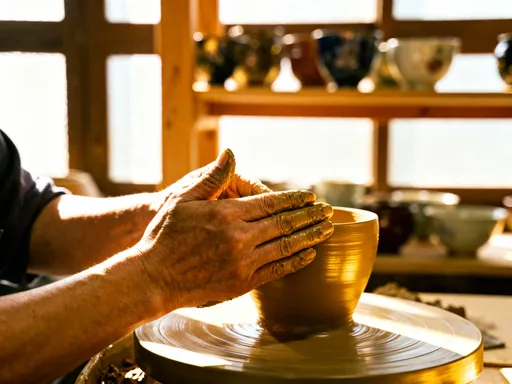
Here, visitors find more than produce—they encounter stories. A farmer from the nearby Serra do Mar explains how his organic strawberries are grown without chemical pesticides, rotating crops to protect the soil. An elderly vendor arranges jars of guava paste and dulce de leche, made using methods passed down from her mother. Artisans display woven baskets, wooden utensils, and ceramic dishes—tools meant to last, echoing the market’s emphasis on sustainability and mindful consumption.
What sets this market apart is its commitment to local agriculture. Unlike tourist-centric bazaars, Largo da Ordem prioritizes regional suppliers, many of whom travel from small farms within a two-hour radius. This creates a direct link between land and plate, ensuring freshness while supporting rural economies. Shoppers leave with crisp lettuce, heirloom tomatoes, free-range eggs, and artisanal cheeses—ingredients that form the foundation of home-cooked meals across the city.
But the experience extends beyond shopping. Musicians play folk tunes on accordion and guitar, their melodies drifting over the chatter of neighbors catching up. Children sip fresh sugarcane juice while parents browse stands of organic honey and homemade granola. The atmosphere is unhurried, inviting visitors to slow down and savor the moment. For many families, this weekly outing is as much about connection as it is about groceries. It reinforces a rhythm of life centered on quality, care, and presence—values deeply embedded in Curitiba’s social fabric.
Seasonality shapes the market’s offerings in subtle but meaningful ways. In winter, root vegetables, cabbage, and warming spices dominate. Spring brings tender greens, wild herbs, and early berries. Summer overflows with tropical fruits—mango, pineapple, passion fruit—while autumn ushers in pumpkins, corn, and squash. This natural cycle encourages residents to eat with the seasons, reducing reliance on imported goods and fostering a deeper appreciation for local ecosystems.
Street Food Gems That Define Daily Life
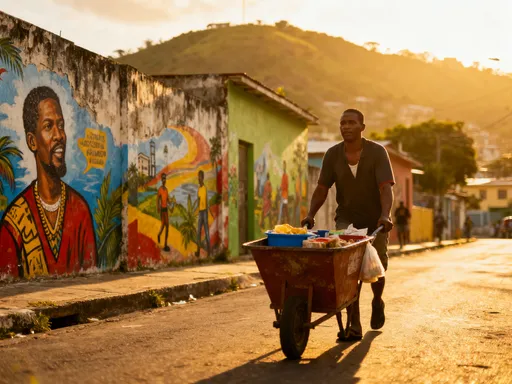
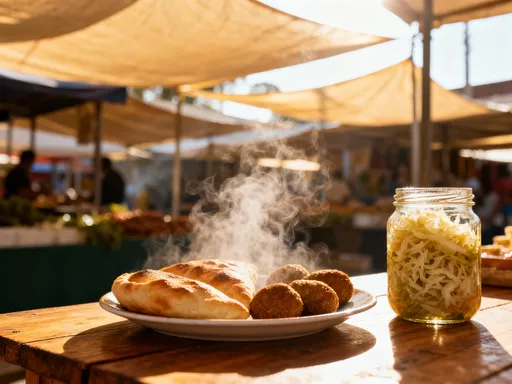
In Curitiba, street food is not an indulgence—it’s infrastructure. It fuels commutes, punctuates workdays, and brings people together in the most ordinary of places. At dawn, vendors set up grills and fryers near bus terminals and office blocks, sending plumes of savory smoke into the cool morning air. By midday, lines form at kiosks offering coxinha, pastel, and pão na chapa—simple, satisfying bites that cost little but deliver maximum comfort.
The coxinha, a teardrop-shaped croquette filled with shredded chicken and creamy cream cheese, is perhaps the most beloved. Crispy on the outside, tender within, it’s often wrapped in wax paper and eaten on the go. Found at nearly every street corner, it represents the perfect marriage of convenience and flavor. Equally iconic is the pastel—a thin, deep-fried pastry stuffed with everything from cheese and ham to heartier fillings like ground beef or palm hearts. Served piping hot with a side of fresh tomato sauce, it’s a meal that bridges social classes, enjoyed equally by office workers and delivery drivers.
Equally important is the chimarrão stand, where gourds are passed from hand to hand in a ritual of hospitality. This bitter, herbal tea, made from yerba mate, is sipped through a metal straw called a bomba. In Curitiba, sharing chimarrão is a gesture of friendship, often seen in parks, plazas, or outside schools where parents wait for their children. It slows down interactions, turning brief encounters into moments of connection.
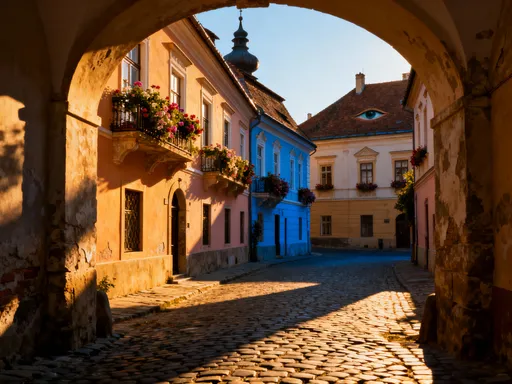
Neighborhoods like Santa Felicidade, originally settled by Italian immigrants, offer a richer tapestry of street flavors. Here, family-run cantinas serve small plates of gnocchi, prosciutto, and grilled polenta alongside glasses of house-made wine. The streets are narrow, lined with ivy-covered walls and lanterns that glow at dusk. Visitors can stroll from one eatery to the next, sampling bites as they go—a tradition known locally as enoturismo, or wine tourism.
Batel, a more modern district, blends cosmopolitan energy with local charm. Trendy juice bars sit beside decades-old bakeries where elderly women line up for pão de mel, a spiced honey cake coated in chocolate. Food trucks offer gourmet versions of classics, like coxinha with smoked turkey and goat cheese, appealing to younger palates without losing sight of tradition. These contrasts reflect Curitiba’s ability to honor its roots while embracing change.
Hidden Kitchens: Family-Run Eateries With Generational Recipes
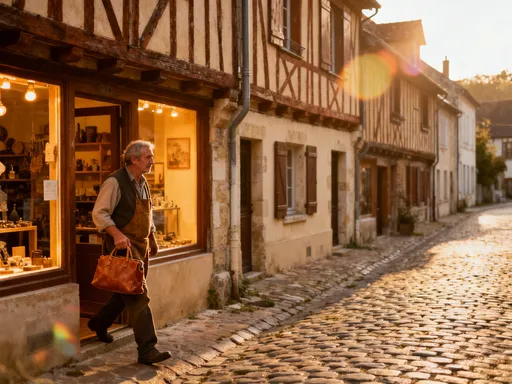
Away from the main avenues and polished storefronts, tucked into quiet side streets and residential blocks, lie Curitiba’s true culinary treasures—family-run eateries known as casas de comida. These unassuming spots operate like extended kitchens, often managed by mothers, aunts, or grandmothers who cook daily menus based on what’s fresh and what feels right. There are no flashy signs, few online listings, and sometimes no menus at all—just a chalkboard listing today’s feijoada, chicken with tangerine sauce, or baked macaroni with béchamel.
What defines these places is intimacy. Servers greet regulars by name. Strangers are welcomed with warm smiles and recommendations. Meals are served on mismatched plates, poured into thick ceramic bowls, and accompanied by baskets of warm bread. The atmosphere is familial, unhurried, built on the idea that eating should be nourishing in every sense. These kitchens resist the speed and standardization of fast food, offering instead a slower, more intentional way of dining.
Many of these establishments have been operating for decades, some for over half a century. Recipes are rarely written down—they are learned by watching, tasting, adjusting. A daughter stirs the vat of feijoada alongside her mother, learning how to balance smoked sausage, black beans, and bay leaves. A nephew grills chicken over charcoal, mimicking the exact angle and timing his uncle has used for years. These acts are not just about cooking; they are acts of preservation, ensuring that flavors survive beyond a single generation.
One such casa in the Água Verde neighborhood has been serving lunch since 1967. Its owner, Dona Lúcia, begins her day at 5 a.m., preparing rice, beans, and salads before firing up the stoves. Her specialty—a pork stew slow-cooked with tomatoes, onions, and a hint of cinnamon—is based on a recipe from her Portuguese grandmother. Locals say the dish tastes like childhood. Tourists who find it often return, not just for the food, but for the way Dona Lúcia insists they try her homemade quince jelly before leaving.
These hidden kitchens also play a quiet role in sustaining regional identity. In a world where global chains multiply, they stand as quiet acts of resistance—proof that flavor, care, and tradition still matter. They remind diners that food is not just a product, but a practice, shaped by time, memory, and love. To eat in one of these places is to be invited into a family’s history, one plate at a time.
Modern Twists: How New Chefs Are Reinventing Tradition
While tradition thrives in Curitiba’s backstreets, a new wave of chefs is reimagining Brazilian cuisine with fresh eyes and global influences. In sleek downtown restaurants and converted warehouses, young culinary artists are blending ancestral recipes with modern techniques, creating dishes that honor the past while speaking to the present. This movement is not about replacement—it’s about evolution, a thoughtful dialogue between heritage and innovation.
At a contemporary bistro in the Batel district, a chef presents feijoada not in a clay pot, but deconstructed on a slate plate: black bean foam, smoked sausage croquette, orange gelée, and crispy pork skin arranged like an edible mosaic. The flavors remain faithful, but the presentation invites curiosity. Another restaurant serves farofa not as a side dish, but as a crunchy crust for roasted fish, adding texture and depth with a nod to tradition.
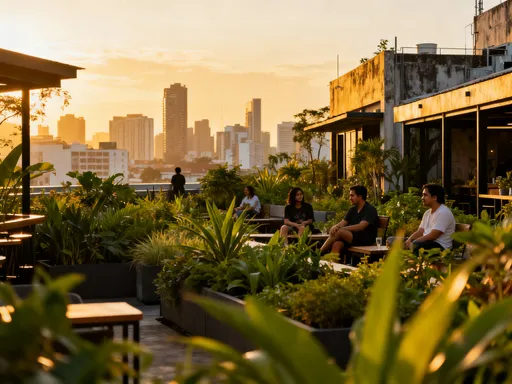
What unites these chefs is a deep respect for ingredients. Many source directly from small farms, cooperatives, and indigenous suppliers, emphasizing seasonality and sustainability. Menus often list the origin of produce—“heirloom carrots from Ponta Grossa,” “free-range eggs from Colombo”—highlighting transparency and traceability. Some kitchens compost food waste, use biodegradable packaging, or grow herbs on rooftop gardens, aligning culinary practice with Curitiba’s environmental legacy.
Yet innovation does not come at the expense of authenticity. These chefs speak reverently of their grandmothers’ kitchens, of learning to make pasta by hand, of Sunday lunches filled with laughter and loud conversation. Their menus reflect this duality—confident in technique, humble in spirit. A dessert might combine brigadeiro, the beloved chocolate truffle, with salted caramel and cashew crumble, elevating a childhood favorite into something sophisticated without losing its soul.
This balance is key. Curitiba’s food scene does not choose between old and new; it embraces both. The city’s culinary future is not a rejection of the past, but an expansion of it—a recognition that tradition can grow, adapt, and remain relevant. In this way, the kitchen becomes a space of continuity and creativity, where every dish is both a memory and a possibility.
Practical Tips for Eating Like a True Carioca
To fully experience Curitiba’s food culture, a few practical insights can make all the difference. First, timing matters. Markets like Feira do Largo da Ordem are best visited on Saturday mornings, when stalls are fully stocked and the atmosphere is most vibrant. Arriving early ensures access to the freshest produce and avoids the midday crowds. Similarly, family-run casas de comida typically serve lunch between 11:30 a.m. and 2:30 p.m., closing afterward—so plan meals accordingly.
Cash is still king in many places. While larger restaurants accept cards, smaller eateries, street vendors, and market stalls often operate on a cash-only basis. Carrying Brazilian reais in small denominations ensures smooth transactions and shows respect for local customs. Tipping is appreciated but not mandatory; rounding up the bill or leaving a small amount is customary in sit-down restaurants.
When dining at shared tables, especially in casual eateries or food courts, a simple “posso sentar?” (“may I sit?”) goes a long way. Brazilians are generally warm and welcoming, and a bit of basic Portuguese can deepen the experience. Learning phrases like “gostaria de pedir” (“I would like to order”) or “o que você recomenda?” (“what do you recommend?”) opens doors and often leads to personalized suggestions from staff.
Transportation is easy thanks to Curitiba’s efficient bus system, but for food-focused exploration, walking or biking is ideal. The city’s pedestrian-friendly streets, extensive bike lanes, and green spaces make it pleasant to move from market to café to hidden kitchen at a leisurely pace. For longer distances, ride-sharing apps are reliable and affordable.
Portion sizes in traditional restaurants tend to be generous. Sharing dishes is common and encouraged, allowing diners to sample more flavors without waste. Meals are meant to be savored, not rushed—expect lunch to last over an hour, especially on weekends. Dinner hours start later, usually after 7 p.m., with many restaurants filling up around 8 p.m.
To avoid tourist traps, look for places crowded with locals, especially workers on lunch breaks or families on Sunday outings. Menus printed in multiple languages or with photos of dishes may indicate a focus on visitors rather than authenticity. Instead, seek out handwritten signs, daily specials on chalkboards, or spots where the owner greets guests personally—these are often signs of genuine, home-style cooking.
Why Curitiba’s Food Culture Matters Beyond the Plate
Curitiba’s food culture is more than a collection of recipes and restaurants—it is a living expression of identity, resilience, and care. In a world where cities grow increasingly homogenized, where global chains replace local shops, Curitiba holds onto something precious: the belief that food should connect, not just consume. Every meal here carries layers of meaning—of migration and memory, of sustainability and solidarity, of tradition and transformation.
This culinary richness reflects a deeper strength. It shows how diversity, when nurtured with respect, becomes a source of unity. German, Italian, Arab, and Brazilian influences do not compete—they complement. They coexist in a delicate balance, much like the city’s famed parks and transit systems, designed to serve all without erasing difference. In this way, food becomes a model for urban life itself—thoughtful, inclusive, and deeply human.
Moreover, Curitiba’s approach to food aligns with broader values of environmental awareness and community well-being. From farmers’ markets that support local agriculture to restaurants that minimize waste, the city demonstrates how eating can be an act of stewardship. Choosing seasonal produce, preserving traditional methods, and cooking with intention are not trends—they are commitments to a more sustainable future.
For visitors, this means more than tasting new flavors. It means participating in a culture that values slowness, connection, and authenticity. To sit at a shared table, to accept a cup of chimarrão from a stranger, to learn a recipe from a grandmother in a tiny kitchen—these are not just experiences, but invitations to belong, even briefly, to something meaningful.
Ultimately, Curitiba teaches us that food is never just about taste. It is about history, identity, and the quiet acts of love that sustain us. To understand this city, one must not only see its green spaces and efficient buses but taste its markets, savor its kitchens, and listen to the stories told through every bite. Here, flavor is language, and every meal is a conversation—one that continues, one plate at a time.