You Won’t Believe These Hidden Urban Gems in Manila
Manila isn’t just traffic and chaos—it’s a city pulsing with unexpected urban energy. From converted warehouses to sky-high gardens, I discovered spaces where creativity meets concrete. If you think you know Manila, think again. These spots transformed how I see the city, blending culture, design, and local life in ways I never expected. Let me show you the Manila beyond the map.
Reimagining Manila’s Urban Identity
Manila has long been defined by its density, its noise, and its relentless pace. To many, it is a metropolis shaped by congestion—endless streams of vehicles, crowded sidewalks, and buildings pressed tightly together. Yet beneath this familiar image lies a quieter, more intentional transformation. Across the city, architects, urban planners, and community advocates are reimagining what urban life can look like. They are not tearing down the old to build the new, but rather repurposing what already exists—warehouses, rooftops, colonial-era facades—and turning them into vibrant, human-centered spaces.
This shift reflects a broader cultural awakening. As the population grows and land becomes scarcer, the need for thoughtful urban design has never been greater. The conversation is no longer just about making room for more people, but about improving the quality of daily life. Public spaces are being reclaimed not for cars, but for people. Old buildings once left to decay are now seen as canvases for reinvention. The city is learning to breathe again, not by expanding outward, but by building upward, inward, and together.
What makes this transformation especially meaningful is its grassroots nature. While large-scale developments play a role, much of the change has come from small, locally driven initiatives. A community garden on a vacant lot, an art exhibit in an abandoned cinema, a weekend market in a closed street—these are the quiet revolutions reshaping Manila’s soul. They reflect a growing desire for connection, beauty, and balance in a city that has long prioritized function over feeling.
Bonifacio Global City: Where Modern Meets Livable
Among Manila’s many districts, Bonifacio Global City—often called BGC—stands out as a model of intentional urban planning. Unlike much of Metro Manila, where development has been reactive and haphazard, BGC was designed with people in mind. Its wide sidewalks, tree-lined avenues, and mixed-use zoning create an environment where walking is not just possible, but enjoyable. Residents and visitors alike can stroll from office buildings to cafes, parks, and retail spaces without ever needing to cross a chaotic intersection.
At the heart of BGC is Central Park, a 5.3-hectare green space that serves as the district’s communal backyard. Lined with native trees, jogging paths, and open lawns, it offers a rare sense of openness in a densely populated region. Nearby, the High Street District combines retail, dining, and entertainment in a pedestrian-friendly layout, encouraging visitors to linger rather than rush through. These design choices are not accidental—they reflect a philosophy that urban life should be livable, not just functional.
What sets BGC apart is its commitment to balance. Skyscrapers rise alongside parks. Office workers share sidewalks with families and joggers. Even during peak hours, the area feels orderly and accessible. This is not to say it is perfect—traffic can still build up, and some areas feel more commercial than communal—but as a vision of what a modern Filipino city could be, BGC offers valuable lessons. It proves that with foresight and care, urban spaces can serve both efficiency and well-being.
For visitors, BGC is an ideal starting point to experience Manila’s evolving urban landscape. Its accessibility, cleanliness, and variety of amenities make it welcoming to all. Whether you’re meeting friends for coffee, attending a weekend festival, or simply watching the sunset over the park, BGC offers a glimpse of a city learning to care for its people.
Art Spaces in Unexpected Places
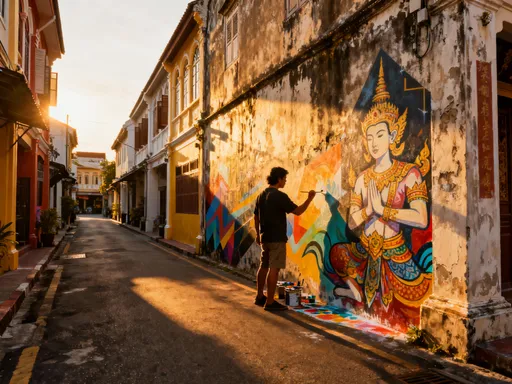
Art in Manila is no longer confined to grand museums or elite galleries. A new generation of creatives is taking over forgotten corners of the city, transforming them into dynamic cultural hubs. These spaces are not always easy to find—some are tucked behind unmarked doors, others hidden in quiet neighborhoods—but they are precisely where the city’s creative pulse beats strongest.
One such place is Tintalo Studio, a community-driven art space located in a repurposed residential compound. Here, local artists host workshops, exhibitions, and open studios, inviting the public to engage with the creative process. The atmosphere is informal, inclusive, and deeply personal. Visitors aren’t just observers—they are encouraged to paint, ask questions, and even stay for a shared meal. This sense of intimacy is part of what makes these spaces so powerful; they dissolve the barrier between artist and audience.
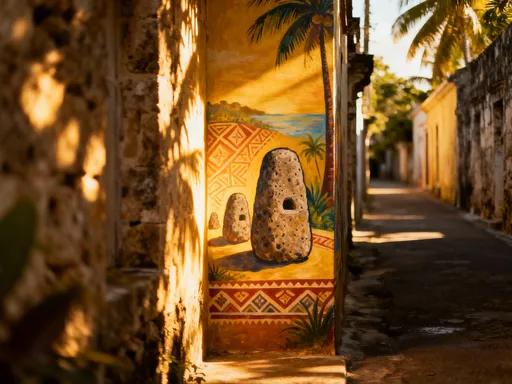
Another example is the urban annex of the Pinto Art Museum, which extends the museum’s mission beyond its main location in Antipolo. In Manila, temporary installations and pop-up exhibits bring art into public view—on building facades, in alleyways, or inside converted warehouses. These interventions remind people that beauty doesn’t have to be locked behind glass. It can be found in a mural on a side street, a sculpture in a parking lot, or a poetry reading under a covered walkway.
These alternative art spaces do more than showcase talent—they foster community. They become meeting points for neighbors, classrooms for young learners, and sanctuaries for those seeking inspiration. In a city where time moves quickly and stress runs high, they offer moments of reflection and connection. They prove that culture doesn’t need grand budgets or massive buildings to thrive. Sometimes, all it takes is a room, a few artists, and the courage to invite the world in.
Sky Terraces and Rooftop Escapes
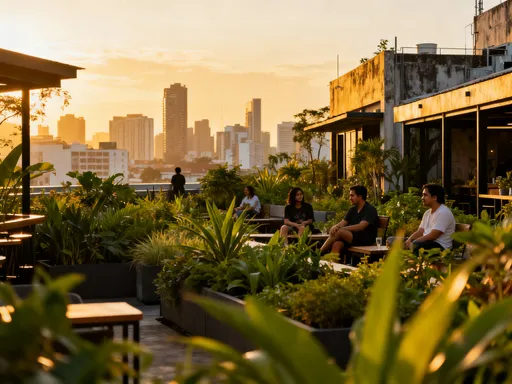
With land at a premium, Manila has learned to look up. Rooftops, once used only for utility or storage, are now being transformed into serene retreats, social hubs, and even urban farms. These elevated spaces offer something rare in the city: fresh air, natural light, and a view unobstructed by traffic or construction. They are not just architectural features—they are acts of resistance against urban suffocation.
In recent years, libraries, schools, and office buildings have begun opening their rooftops to the public. One notable example is the rooftop garden at the De La Salle University Library, where students and visitors can read, study, or simply relax surrounded by greenery. The space features native plants, shaded seating, and solar-powered lighting, proving that sustainability and comfort can go hand in hand. Similarly, some cafes in Makati and Quezon City have converted their upper levels into open-air lounges, where guests sip coffee under the open sky.
These spaces serve a vital emotional function. In a city where many live in high-rise apartments with limited outdoor access, rooftops become surrogate backyards. They offer a place to breathe, to gather, to feel grounded despite being dozens of meters above the street. Parents bring children to play in safe, open areas. Friends meet for quiet conversations away from the noise below. Urban farmers grow vegetables in repurposed containers, turning concrete into soil.
The rise of rooftop culture also reflects a growing awareness of mental well-being. City life can be overwhelming, and these elevated oases provide much-needed respite. They remind us that even in the most built-up environments, nature and peace are possible—if we are willing to look up.
Revitalizing Heritage: Old Buildings with New Lives
Manila’s architectural history is rich and layered, from Spanish colonial facades to American-era theaters and postwar commercial buildings. For decades, many of these structures were neglected or demolished in the name of progress. But today, a growing movement is working to preserve them—not as static monuments, but as living parts of the city.
Nowhere is this more visible than in Escolta, once Manila’s premier business district and now a hub for adaptive reuse. Here, vintage buildings are being restored and reinvented as co-working spaces, boutique hotels, art galleries, and specialty cafes. The Cosmopolitan Hotel, for example, has been transformed into a creative center that hosts exhibitions, performances, and design talks. Its grand staircase and ornate ceilings, once hidden under layers of dust, now echo with laughter and conversation.
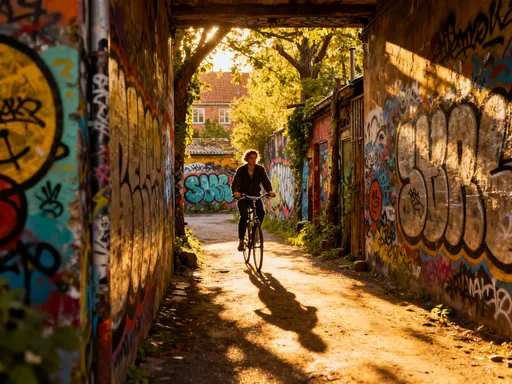
What makes Escolta special is its authenticity. Unlike sanitized heritage zones, it feels alive—imperfect, evolving, and deeply human. Graffiti blends with restored murals. Old signage stands beside modern logos. Visitors don’t just see history—they walk through it, drink in it, and become part of it. This integration of past and present creates a unique urban rhythm, one that honors memory without being trapped by it.
Similar projects are emerging across the city. In Binondo, ancestral homes are being converted into heritage cafes. In Malate, old theaters are being revived as performance spaces. These efforts are not just about saving buildings—they are about preserving identity. Each restored structure tells a story of resilience, continuity, and care. They remind residents and visitors alike that Manila’s soul is not found in its newest mall, but in the quiet dignity of its oldest streets.
Public Parks That Bring People Together
In a city that never seems to stop moving, public parks offer essential pauses. They are places where people of all ages and backgrounds come together—not to shop or work, but simply to be. Manila’s most beloved green spaces serve as communal living rooms, where families picnic, couples stroll, and seniors practice tai chi at dawn.
Rizal Park, located in the heart of the city, remains the most iconic. Spanning over 58 hectares, it is home to monuments, museums, fountains, and wide-open lawns. Despite its central location, it manages to feel expansive and peaceful. Weekends bring crowds—children flying kites, musicians playing under trees, vendors selling ice-cold buko juice—but the park absorbs the energy without losing its calm. It is a rare place where the city slows down.
Equally important are smaller, neighborhood-level parks. The Ayala Triangle Gardens in Makati, though compact, is meticulously maintained and widely used by office workers and residents. Its shaded pathways, water features, and public art installations create a serene atmosphere amid the surrounding skyscrapers. Nearby, pocket parks in areas like Cubao and Ortigas provide green respites in otherwise dense urban zones.
These spaces are more than decorative—they are social infrastructure. They foster interaction, encourage physical activity, and support mental well-being. Studies have shown that access to green spaces improves mood and reduces stress, especially in high-density environments. In Manila, where many homes lack private yards, public parks become essential extensions of domestic life. They are not luxuries, but necessities.
Navigating the City: Practical Tips for Exploring Urban Manila
Exploring Manila’s urban gems requires some planning, but the rewards are well worth the effort. The city’s layout can seem overwhelming at first, but with the right approach, it becomes navigable and even enjoyable. The key is to travel light, stay aware, and embrace the rhythm of the city.
Walking is one of the best ways to experience Manila’s evolving urban spaces, especially in areas like BGC, Makati, and parts of Escolta. These districts have wide sidewalks, pedestrian crossings, and shaded pathways that make strolling comfortable. However, it’s important to go during cooler hours—early morning or late afternoon—to avoid the midday heat. Always carry water, wear breathable clothing, and use sunscreen. Comfortable footwear is essential, as distances can add up quickly.
For longer distances, ride-hailing apps like Grab are reliable and safe. They offer air-conditioned comfort and direct routes, avoiding the confusion of public transit. Jeepneys and trains remain vital for locals, but they can be crowded and difficult for first-time visitors to navigate. If you do choose public transport, aim for off-peak hours and keep valuables secure.
Timing your visits can make a big difference. Popular parks and cultural spots are best enjoyed on weekday mornings when crowds are thinner. Rooftop cafes and art spaces often come alive in the late afternoon and early evening, when the heat subsides and the city lights begin to glow. Avoid weekends in major commercial areas if you prefer a quieter experience.
Finally, remember that kindness and respect go a long way. Filipinos are known for their hospitality, and visitors who show curiosity and courtesy are often welcomed warmly. Ask permission before taking photos in intimate spaces, speak softly in quiet areas, and support local businesses when you can. These small gestures help build connection and enrich the experience for everyone.
Exploring Manila’s urban landscape is not just about seeing new places—it’s about seeing the city anew. It’s about noticing the care in a restored facade, the joy in a child’s laugh at a neighborhood park, the quiet pride in a locally run art studio. These moments reveal a Manila that is resilient, creative, and full of heart.
Manila’s urban spaces prove that even in one of Asia’s densest cities, room exists for beauty, connection, and innovation. These places aren’t just design wins—they reflect a growing desire for balance, community, and meaning in city life. The real magic? They’re waiting for anyone willing to look beyond the surface.